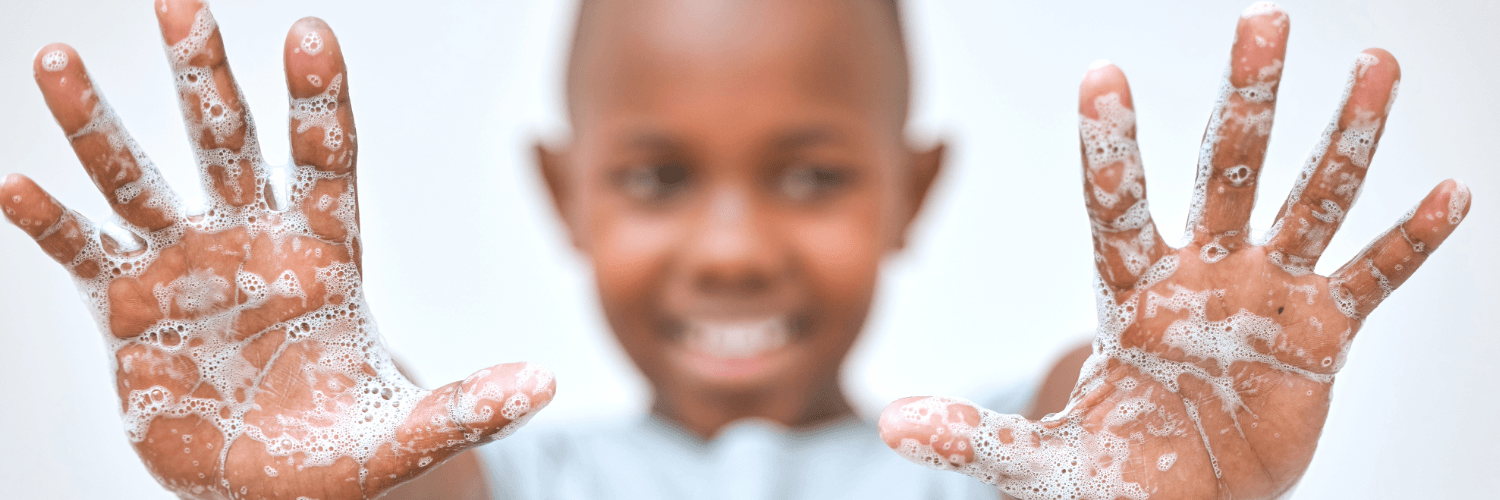
Washing your hands seems like a simple act, often drilled into our habits from childhood. Yet, as the world navigated through the challenges of a global pandemic, the importance of this simple act was spotlighted more than ever. However, the necessity of frequent handwashing extends far beyond the confines of pandemic-related concerns. It's an essential practice for maintaining overall health and preventing a variety of illnesses. Let’s dive into the reasons why this mundane practice deserves our ongoing attention.
1. Prevents the Spread of Infections and Illnesses
Handwashing with soap removes germs from hands. This helps prevent infections because:
- People frequently touch their eyes, nose, and mouth without even realizing it. Germs can enter the body through these routes and make us sick.
- Germs from unwashed hands can get into foods and drinks while people prepare or consume them. With cooking, some but not all germs get killed.
- Germs can be transferred to other objects, like handrails, table tops or toys, and then transferred to another person’s hands.
Ensuring that hands are washed regularly can literally stop the chain of infection, leading to a healthier community.
2. Supports Safe Food Handling
Proper hand hygiene is crucial when handling food. Whether you’re a professional chef, a food service worker, or preparing a meal at home, washing your hands can prevent foodborne illnesses. The Centers for Disease Control and Prevention (CDC) estimates that each year roughly 1 in 6 Americans gets sick from contaminated foods or beverages. Diseases such as salmonella, norovirus, and E. coli can be minimized if food handlers practice proper hand hygiene.
3. Enhances Workplace Health
In environments where people share space and equipment—like offices, schools, or factories—the importance of handwashing can’t be overstated. A single doorknob could potentially be the cause of widespread sickness in the workplace. Regular handwashing, especially after using the bathroom or before eating, keeps the work environment healthier, reducing absenteeism and increasing productivity.
4. Contributes to Child Health
Children are particularly susceptible to infections because they are more likely to touch their surroundings and then their faces, and they may not have fully developed immune systems. In schools and daycare settings, where germs spread rapidly, frequent handwashing can keep both educators and students healthier. Encouraging young children to embrace handwashing can teach them the importance of hygiene from an early age.
5. Battles Antibiotic Resistance
Washing hands may also play a role in combating antibiotic resistance. By reducing the spread of infections, there's less need for antibiotics. This in turn can help prevent the rise of antibiotic resistance, which occurs when bacteria evolve in a way that makes antibiotics less effective.
While the recent pandemic has shone a light on handwashing, it’s crucial to remember that its benefits extend beyond times of crisis. Handwashing is a simple, effective, and affordable way to prevent diseases and protect your health. It’s a practice that benefits everyone, everywhere. Whether at home, in the community, or in the workplace, maintaining good hand hygiene is a cornerstone of public health. Let's keep those hands clean!