Posted on March 25, 2024 at 2:30 PM by Jennifer Ambrose
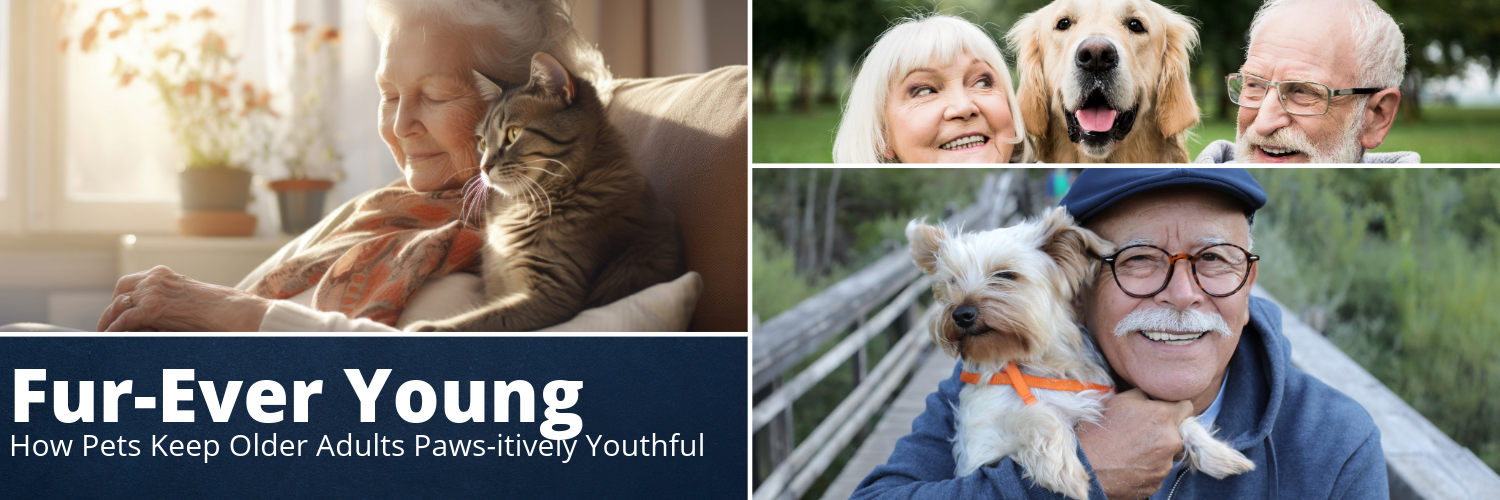
As we journey through life, companionship takes various forms, but few are as enduring and rewarding as the bond between humans and their furry friends. For older adults, the decision to bring a pet into their lives can be transformative, offering not just companionship but also a myriad of physical, emotional, and social benefits. However, it's essential to recognize that pet ownership in later years also comes with its unique set of challenges. In this article, we'll explore both the positives and challenges of owning a pet for older adults, shedding light on why many find themselves fur-ever young in the company of their beloved companions.
The Positives:
- Companionship and Emotional Well-being: Pets offer unwavering companionship, filling the void that may arise from empty nests or the loss of loved ones. The presence of a furry friend can reduce feelings of loneliness and depression, providing a sense of purpose and joy.
- Physical Health Benefits: The responsibilities of pet ownership, such as walking a dog or playing with a cat, encourage physical activity and help older adults stay active and mobile. Research has shown that pet owners tend to have lower blood pressure, reduced risk of heart disease, and overall better physical health than non-pet owners.
- Social Connections: Pets serve as natural conversation starters, facilitating social interactions and helping older adults connect with others in their community. Whether it's chatting with fellow dog walkers at the park or bonding over shared pet experiences, pets can help combat social isolation and foster a sense of belonging.
- Routine and Structure: Caring for a pet instills a sense of routine and purpose in daily life. From feeding schedules to regular walks, pets thrive on consistency, providing structure that can be particularly beneficial for older adults who may benefit from a predictable routine.
- Stress Relief: The simple act of petting a dog or cat can trigger the release of feel-good hormones such as oxytocin and serotonin, helping to reduce stress and promote relaxation. This natural form of therapy can be especially valuable for older adults navigating the challenges of aging.
The Challenges:
- Financial Considerations: Pet ownership entails financial responsibilities, including veterinary care, food, grooming, and supplies. For older adults on fixed incomes, these expenses can pose challenges and may require careful budgeting.
- Physical Limitations: As individuals age, they may experience physical limitations that impact their ability to care for a pet. Tasks such as bending down to clean litter boxes, walking energetic dogs, or lifting heavy bags of pet food can become more challenging.
- Health Concerns: Older adults with chronic health conditions or compromised immune systems may need to consider how pet ownership could impact their health. Certain pets, such as reptiles or birds, can carry zoonotic diseases that may pose risks to vulnerable individuals.
- Planning for the Future: It's important for older adults to consider the long-term implications of pet ownership, including what will happen to their pet if they become unable to care for them due to illness or relocation to a care facility. Making arrangements for pet care in advance can provide peace of mind and ensure the well-being of the animal.
- Emotional Preparedness: The loss of a pet can be profoundly challenging, particularly for older adults who may have formed deep emotional bonds with their companions. It's essential to acknowledge and prepare for the grief that may accompany the end of a pet's life.
In conclusion, while pet ownership can enrich the lives of older adults in countless ways, it's crucial to approach this decision thoughtfully and realistically. Weigh the positives against the challenges and planning accordingly.